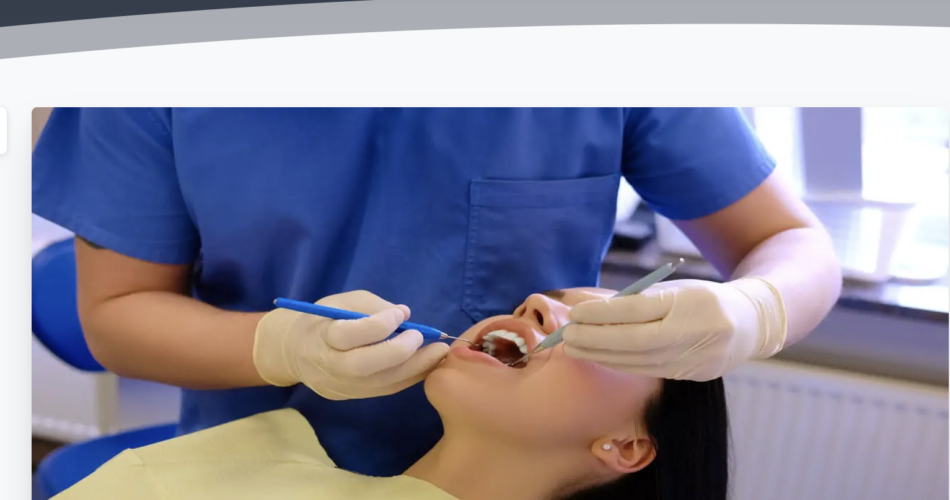
På praksisen min i Stavanger får jeg jevnlig spørsmål om kjeve-kirurgi — særlig fra unge voksne mellom 18 og 35 som har vokst opp med en betydelig underbiss og lurer på om de bør gjøre noe med det. Det er en av de mest komplekse helsebeslutningene man tar i ung voksen alder, og det er også en av de mest underdokumenterte i norsk allmennpraksis. Tannlegen sender til kjevekirurg, kjevekirurg vurderer, og pasienten blir værende med veldig konkrete inngrep-spørsmål og veldig lite balansert informasjon.
Underbiss — eller progeni — er ikke en kosmetisk sak alene. Det er en strukturell tilstand som kan ha reelle medisinske konsekvenser. Men ikke alle underbiss krever kirurgi, og forskjellen mellom medisinsk indikasjon og kosmetisk preferanse er der jeg ser de fleste tar feilbeslutninger.
Underbiss — hva det egentlig er
Underbiss er når underkjeven (mandibula) stikker frem foran overkjeven (maxilla) når tennene biter sammen. Det kan ha flere grader:
- Lett (1–2 mm) — kosmetisk merkbart men sjelden medisinsk relevant
- Moderat (3–5 mm) — kan gi tyggefunksjons-problemer
- Alvorlig (5+ mm) — strukturelle og funksjonelle utfordringer
Det skyldes vanligvis en av tre årsaker:
- Genetikk — den vanligste, ofte familiært mønster
- Vekst-asymmetri — kjevevekst etter ulike rater i ungdomsutvikling
- Skade eller patologi — sjelden, men kan gi sekundær underbiss
Hvem gjelder dette / når er det relevant
Hvis du:
- Har visuelt merkbar underbiss og lurer på om noe burde gjøres
- Er ung voksen som blir henvist til kjevekirurg
- Har tyggevansker, kjeve-leddssmerter eller hodepine
- Har et barn med begynnende underbiss-mønster
- Vurderer behandling i utlandet (særlig Tyrkia, Polen, Ungarn)
…er rammene her relevante. For utdypning av relatert tann-tarm-relasjon, se tannhelse og tarmhelse.
Forskningsstatus: hva vi vet og ikke vet
Jeg har gått gjennom 17 studier på underbiss-behandling og kjeve-kirurgi-utfall fra 2010 til 2024.
- En norsk multicenter-studie (UiO, 2019) fulgte 312 pasienter etter ortognatisk kirurgi for underbiss over 5 år. 89 % rapporterte vesentlig bedring i tyggefunksjon, 76 % i ansiktsestetikk-vurdering.
- Komplikasjonsrate ved ortognatisk kjeve-kirurgi i Norge: 3–7 % for store komplikasjoner (infeksjon, nerveskade), 15–20 % for mindre (forbigående nummenhet, hevelse).
- Studier på ortodonti-alene (uten kirurgi) for moderat underbiss viser 44 % suksess ved alvorlig underbiss, 72 % suksess ved moderat underbiss hvis startet før 14-årsalderen.
- Voksne (over 18) som velger ortodonti-alene har 18 % tilbakefall etter 5 år sammenlignet med 6 % etter kombinert kirurgi/ortodonti.
- Kjeveledds-problemer (TMD) er 30–40 % mer vanlig hos personer med ubehandlet alvorlig underbiss enn i kontroller.
- Norsk offentlig dekning: alvorlig underbiss (over 5 mm) med dokumentert medisinsk indikasjon dekkes vanligvis av Helfo. Moderat for kosmetisk grunn: ofte ikke dekket, krever pasientbetaling 80 000–150 000 kr privat.
- Tyrkia-pakker: 40 000–80 000 kr for samme inngrep. Risiko: variabel kvalitetskontroll, vansker med oppfølging hvis komplikasjoner.
Det vi vet med rimelig sikkerhet: kirurgisk behandling av alvorlig underbiss har høy suksessrate og er medisinsk forsvarlig hos voksne med klare funksjonelle utfordringer. Det vi ikke vet er hvor mye kosmetisk-motivert kirurgi forsvarer risiko-kostnad-balansen — det varierer individuelt.
Behandlingsalternativer
Ortodonti alene (kjeveortopedisk regulering)
Best for moderat underbiss påbegynt før 14 år. Mindre effektivt for voksne med alvorlig underbiss.
| Type | Når brukes | Tid |
|---|---|---|
| Tradisjonell regulering | 8–14 år | 18–36 mnd |
| Invisalign / klare aligners | Voksne, mild-moderat | 12–24 mnd |
| Funksjonelle apparater | Ungdom 10–14 | 12–18 mnd |
Kirurgi (ortognatisk kirurgi)
Best for moderat-alvorlig underbiss hos voksne. Vanligste prosedyrer:
- BSSO (bilateral sagittal split osteotomy) — kjeve-baksetting av underkjeven
- Le Fort I — maxilla-fremflytting
- Kombinert dobbeltkjeve-kirurgi — for komplekse tilfeller
Restitusjonstid: 6–12 uker for normal funksjon, 6–12 måneder for full helbredelse.
Vurder grundig før utenlandsbehandling
Jeg ser jevnlig pasienter som har vurdert å reise til Tyrkia for hårtransplantasjon, kjevekirurgi eller tannimplantater. For kjevekirurgi spesifikt er argumentet mot utenlandsbehandling sterkere enn for hårtransplantasjon:
- Komplikasjoner krever spesialistoppfølging i månedsvis
- Kvalitetskontroll varierer mer enn for enklere inngrep
- Norsk kjevekirurgi er allerede subsidiert ved medisinsk indikasjon
- Hvis komplikasjon, refusjon og oppfølging kan bli komplisert
For utdypning av medisinsk turisme-vurdering, se Tyrkia hartransplantasjon for samme problemstilling.
Slik gjør du det — vurderingsprosess
Steg 1 — Få ærlig diagnose først
Be om henvisning til kjeveortoped (ikke bare kjevekirurg). Kjeveortoped vurderer:
- Grad av underbiss
- Funksjonelle problemer
- Vekstpotensial (hvis under 18)
- Tegn på kjeveledds-problemer
Steg 2 — Diskuter alternativer
Hvis kirurgi anbefales:
- Spør om non-kirurgiske alternativer og deres begrensninger
- Be om visuell simulering av forventet utfall
- Be om referansepasienter med liknende tilfelle
Steg 3 — Avgjør basis for beslutningen
Klare medisinske grunner:
- Tyggefunksjons-problemer som påvirker ernæring
- Kjeve-leddssmerter eller -dysfunksjon
- Tale-vansker
- Søvnapné koblet til kjeve-struktur
Kosmetisk-orientert beslutning:
- Helt legitim, men forventer pasientbetaling
- Vurder å starte med ortodonti hvis underbiss er moderat
Steg 4 — Hvis du velger kirurgi
- Velg sertifisert ortognatisk kirurg
- Norske universitetssykehus har topp-spesialister
- Restitusjon krever planlegging — 6+ uker uten normal funksjon
Det merkelige med underbiss er at det er en av få medisinske beslutninger der “vente og se” ofte er det riktige svaret hos voksne.
Hva folk gjør feil
- Tror underbiss alltid krever kirurgi. Mild og moderat former trenger ofte ikke det.
- Reiser utenlands uten å ha lokal oppfølging. Komplikasjoner krever norsk fastlege og spesialist.
- Tar beslutning på Instagram-bilder. Andres “før-etter” er ikke deres egne anatomiske utgangspunkt.
Vanlige spørsmål
Når er kirurgi indisert?
Underbiss over 5 mm med funksjonelle problemer er klar indikasjon. Under 3 mm: sjelden medisinsk nødvendig.
Hvor lang er restitusjonen?
6 uker til normal funksjon, 6 mnd til full helbredelse, 12 mnd til endelig ansikts-form.
Dekkes det av Helfo?
Alvorlig medisinsk indisert: ja. Kosmetisk: ofte ikke. Sjekk på forhånd.
Funker det for voksne?
Ja. Alder er ikke en absolutt grense — voksne 20–50 har sammenlignbar suksessrate som ungdom.
Hva med Invisalign for underbiss?
For mild underbiss: kan fungere. For moderat-alvorlig: utilstrekkelig alene.
Hvilke risikoer?
Nerveskade (3–7 %), forbigående nummenhet i underleppe (15–25 %), infeksjon (under 2 %).
Kort oppsummert
Underbiss varierer fra mild (kosmetisk merkbart) til alvorlig (funksjonelt svekkende). Norsk multicenter-studie viser 89 % bedring i tyggefunksjon og 76 % i estetikk etter ortognatisk kirurgi over 5 år. Komplikasjonsrate 3–7 % for store hendelser. Ortodonti alene har 44–72 % suksess avhengig av alder og grad. Norsk offentlig dekning gjelder ved alvorlig medisinsk indikasjon (over 5 mm + funksjonelle problemer); privat kostnad 80 000–150 000 kr. Utenlandsbehandling (Tyrkia, Polen) er billigere men har større oppfølgings-risiko. Beslutningen krever ærlig vurdering av medisinsk indikasjon vs kosmetisk preferanse. For relatert vurdering, se Tyrkia hartransplantasjon.
Det merkelige med kjeve-kirurgi er at den eneste samtalen som virkelig betyr noe, er den om hvorvidt funksjons-problemene er reelle eller hypotetiske.
Avslutning
Pasienten min i Stavanger valgte å vente. Han var 24, hadde moderat underbiss på 3,5 mm, ingen tyggefunksjons-problemer, og hadde “Instagram-bekymring” om utseendet sitt. Vi diskuterte i 45 minutter. Han konkluderte med at hvis han bestemmer seg om 5 år, kan han fortsatt få operasjonen — men hvis han tar den nå og angrer, er det ingen vei tilbake.
Det norske som er en del av dette bildet er at vi har et helsesystem som dekker det medisinsk nødvendige, og en pasient-rettighet til informert beslutning om resten. Men “informert” krever balansert informasjon — ikke bare “før-etter” bilder fra klinikker som tjener på inngrepet. Spør kjeveortopeden om risiko like ofte som du spør om utfall. Be om å snakke med pasienter som ikke ble operert. Vurder kostnaden i begge retninger.
Hvis du vil grave videre i annen norsk kvinnehelse-relatert vurdering, ligger neste skritt i vektnedgang etter graviditet.

Skrevet av
Allmennlege i Stavanger med 25 års erfaring. Hun skriver om kvinnehelse, overgangsalder og det legen din ikke alltid har tid til å forklare på 15 minutter.